
Why N-phenylmaleimide is a thermal modifier for ABS plastic
Unlocking the highest performance of engineering plastics with advanced thermal stabilization technology
Exploring Heat-Resistant ABS
Acrylonitrile-butadiene-styrene copolymer (ABS) is a widely used engineering plastic, prized for its exceptional toughness, rigidity, and ease of processing. However, standard ABS suffers from a significant limitation: its heat deflection temperature (HDT), typically ranging from 85°C to 95°C, restricting its use in high-temperature applications such as automotive parts, electronic housings, and industrial equipment. To overcome this shortcoming, manufacturers are constantly searching for effective thermal modifiers that balance performance, cost, and processing efficiency. Among these solutions, N-phenylmaleimide (N-PMI) has emerged as a leading additive for thermal enhancement of ABS. This article will explore the science behind N-PMI's effectiveness, aiming to provide high-performance N-PMI solutions for industries worldwide.
1. The Science Behind N-PMI: How It Improves ABS's Heat Resistance
N-PMI is a rigid cyclic monomer with a molecular structure consisting of 1,2-disubstituted vinyl groups embedded in a five-membered ring. When copolymerized with ABS or blended as an additive, it acts as a "molecular scaffold," restricting the mobility of the polymer chains. This restriction raises the glass transition temperature (Tg) of ABS, directly improving its heat resistance without compromising its mechanical integrity. Key mechanisms include:
- Enhanced Chain Rigidity: The phenyl and imide groups in N-PMI introduce steric hindrance, reducing chain rotation and improving thermal stability.
- Synergistic Copolymerization: N-PMI binds to the ABS polymer during the synthesis process, forming covalent bonds that stabilize the matrix and prevent thermal degradation. Research has shown that adding 10% N-PMI to ABS can produce ultra-high-heat-resistant ABS with an HDT of 125-130°C, a 30-40°C improvement over unmodified ABS.
2. Why N-PMI Outperforms Other Thermal Modifiers
While other additives (such as glass fiber, mineral fillers, or other imides) can improve heat resistance, they often sacrifice processability, impact strength, or surface finish. N-PMI offers the following unique advantages:
- Balanced Performance: It simultaneously enhances heat resistance, tensile strength, and melt processing.
- Low-Dosage Efficiency: Even a 1% addition can increase the HDT by 2°C, enabling precise calibration for cost-sensitive applications.
- Compatibility with Additives: N-PMI works synergistically with stabilizers, pigments, and flame retardants, making it an ideal choice for multifunctional composites. In contrast, fillers such as talc or silica can reduce toughness, while other thermal stabilizers typically require higher addition levels, increasing viscosity and complicating processing.
Basic Information
|
Property |
Description |
|
Chemical Name |
N-Phenylmaleimide |
|
Synonyms |
NPMI, Monomaleimide |
|
CAS Number |
941-69-5 |
|
Purity |
≥99% |
|
Appearance |
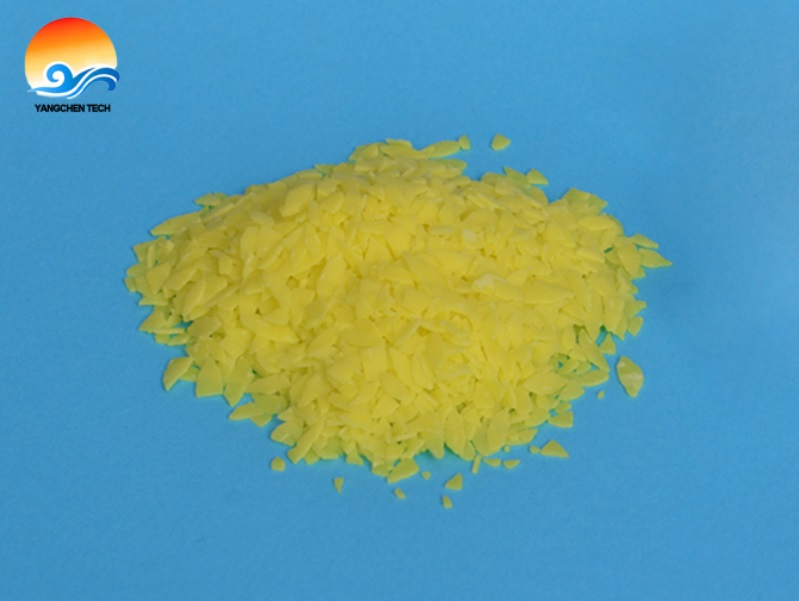
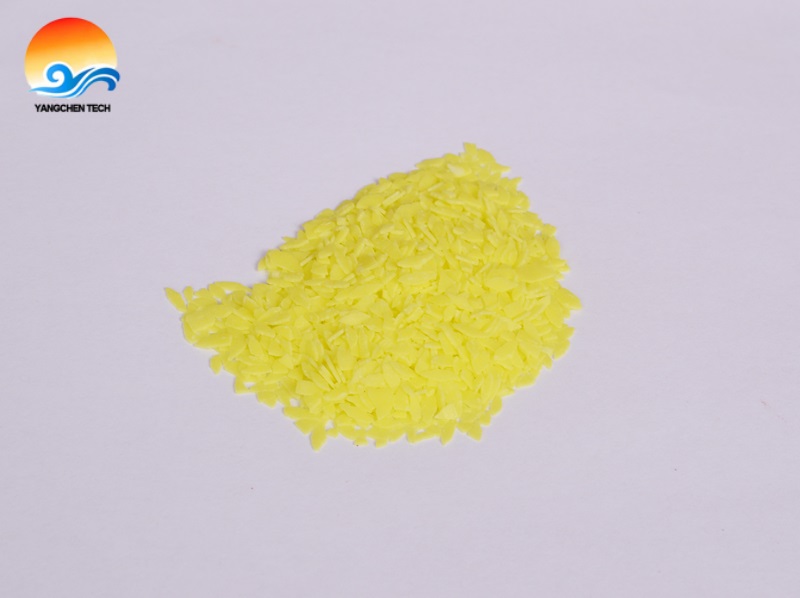
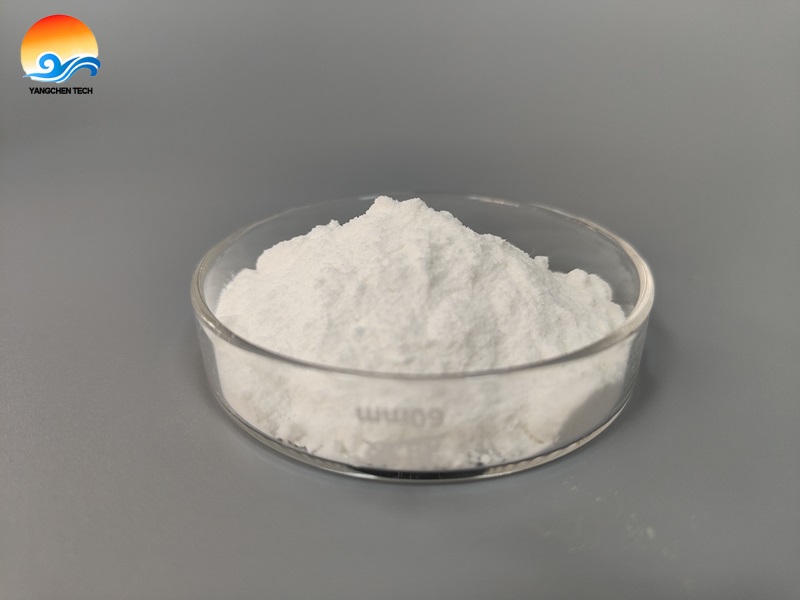
Pale yellow crystalline powder |
|
Manufacturer |
Shaanxi Yangchen New Material Technology Co., Ltd |
Key Properties of N-Phenylmaleimide
|
Property |
Description |
|
Thermal Stability |
Decomposition temp. >300°C |
|
Glass Transition Temp. (Tg) |
Significantly increases Tg of ABS and other resins |
|
Compatibility |
Compatible with styrenics (e.g. ABS, SAN), epoxy resins, and engineering plastics |
|
Solubility |
Dissolves in acetone, DMF, THF, etc. |
3. Yangchen Technology's Leadership in N-PMI Innovation
As a pioneer in fine chemicals and polymer additives, Yangchen Technology leads the way in N-PMI technology:
A. Advanced Synthesis and Purification Technologies
Yangchen Technology utilizes a proprietary catalytic system and a closed-loop solvent recovery process to produce N-PMI with high purity (>99%) and low coloration. Our approach removes impurities that could accelerate polymer degradation, ensuring optimal performance in ABS formulations.
B. Custom Copolymer Design
We develop customized N-PMI-based copolymers, such as poly(N-phenylmaleimide-styrene-acrylonitrile-α-methylstyrene). These terpolymers exhibit high Tg values of 142.6°C, making them suitable for use as standalone high-temperature resins or as modifiers for ABS/PVC blends.
C. Scalable and Sustainable Production
Our facilities utilize continuous flow reactors and energy-efficient distillation to achieve high yields (≥95%) while minimizing waste. This scalability ensures reliable supply to our global customers, from pilot batches to industrial-scale orders.
4. Practical Applications: Advantages of N-PMI-Enhanced ABS
The thermal stability imparted by Yangchen Technology's N-PMI opens the door to demanding applications in the following industries:
- Automotive: Under-the-hood components, connector housings, and interior trim.
- Electronics: LED housings, power tool housings, and 3D printing consumables.
- Consumer Goods: Kitchen appliances, sanitary ware, and outdoor equipment.
ABS modified with Yangchen Technology's N-PMI retained >90% of its impact strength after 1000 hours at 110°C, >50% higher than conventional ABS.
Any questions,feel free to contact us!